Recent cases
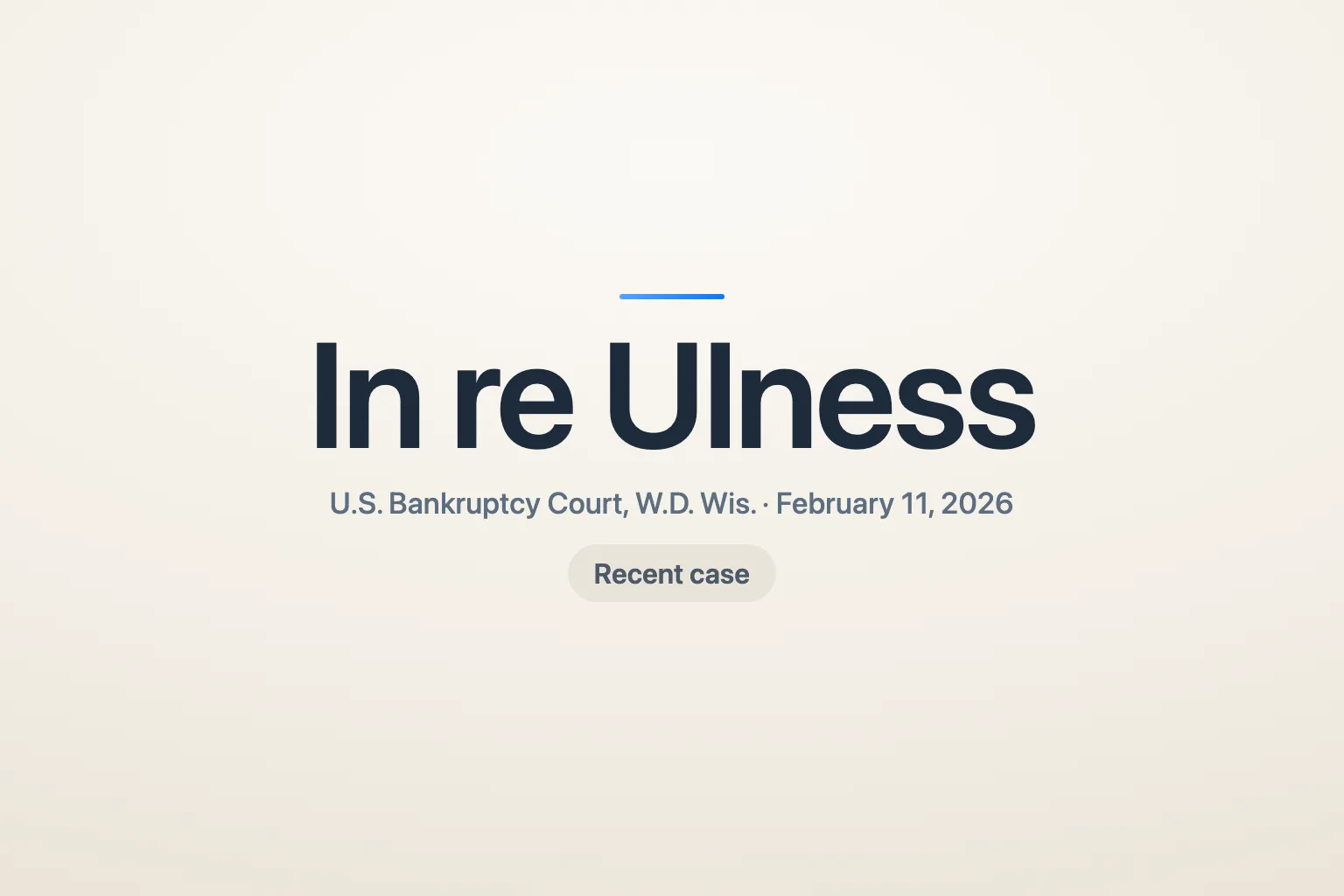
Recent case: A later inheritance can increase Chapter 13 payments
An inheritance of more than $70,000 arrived long after filing. The court said it could still be considered in a modified Chapter 13 plan.
The background
Chapter 13 usually requires payments over three to five years. During that time, changes in a debtor’s finances can affect how much must be paid to creditors—even after the court has confirmed the repayment plan.
The case
Tara Mae Ulness received an inheritance of more than $70,000 after confirmation of her plan and more than 180 days after filing bankruptcy. Her confirmed plan provided no payment to unsecured creditors. The trustee argued that the inheritance should support a modified plan with a larger distribution.
The ruling
The court agreed that the inheritance could be considered. Although a 180-day limit applies to inheritances in certain bankruptcy-estate rules, Chapter 13 has a broader rule covering property acquired before the case is closed, dismissed, or converted. The court therefore concluded that Ulness could be required to account for the inheritance in a modified plan. The court did not order any increase, however. No modified plan was before it, whether one is appropriate remains to be shown, and it denied the trustee’s motion to dismiss without prejudice.
What it means
This decision is especially relevant in Illinois because it applies Seventh Circuit law. A Chapter 13 debtor who becomes entitled to an inheritance should disclose it promptly, even if the death occurs more than 180 days after filing or after plan confirmation. Waiting to disclose the inheritance can create disputes over plan modification or dismissal.
Sources & further reading
General information, not advice about your circumstances. Read the original sources for their full definitions and context. Statistics describe the stated period, not a personal outcome.