News
Existing-home sales see a small increase in September.
Sales edged up from August, more homes came on the market, and the median price rose to $417,500.
A small rise from August
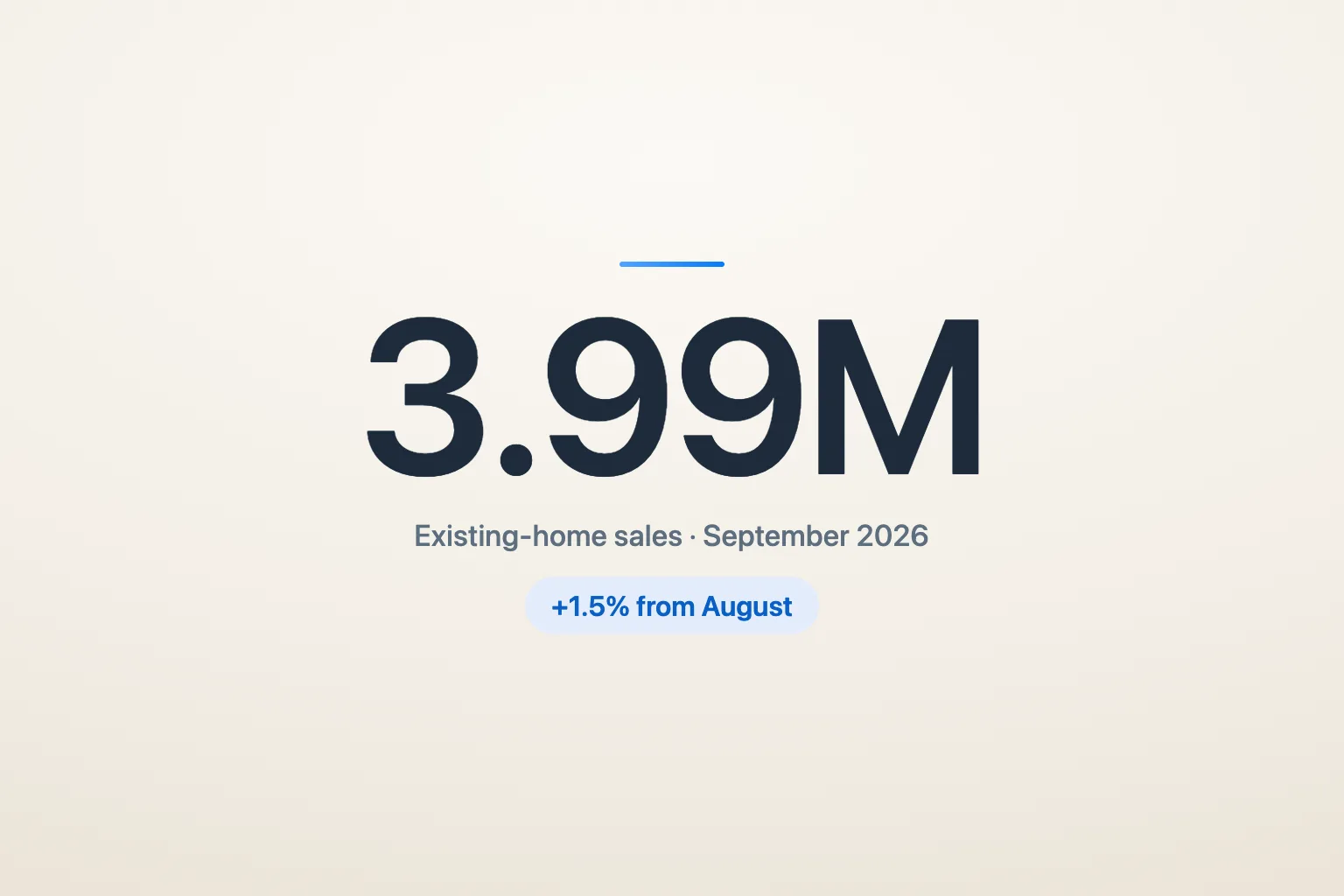
In September 2026, sales of existing homes in the United States rose 1.5% from August to a seasonally adjusted annual rate of 3.99 million homes, according to the National Association of Realtors (NAR), which tracks housing market trends. Compared with the same time last year, sales were down 2.2%.
More homes for sale, slightly higher prices
The inventory of homes for sale increased to 1.60 million units, a 4.8-month supply. This means there are more homes available for buyers to choose from, giving them more room to negotiate. The median price of existing homes rose 1.3% from a year earlier to $417,500, the 39th consecutive month of year-over-year price gains.
Sales of single-family homes, which make up the majority of the market, grew 2.0% from August to September, with a median price of $422,700. Regionally, sales increased in the South and West, stayed the same in the Midwest, and dropped in the Northeast.
Who is buying
First-time buyers made up 31% of all home purchases in September, a slight increase from 30% the previous month. Cash sales accounted for 27% of all transactions. Homes typically spent 33 days on the market before being sold.
What it means
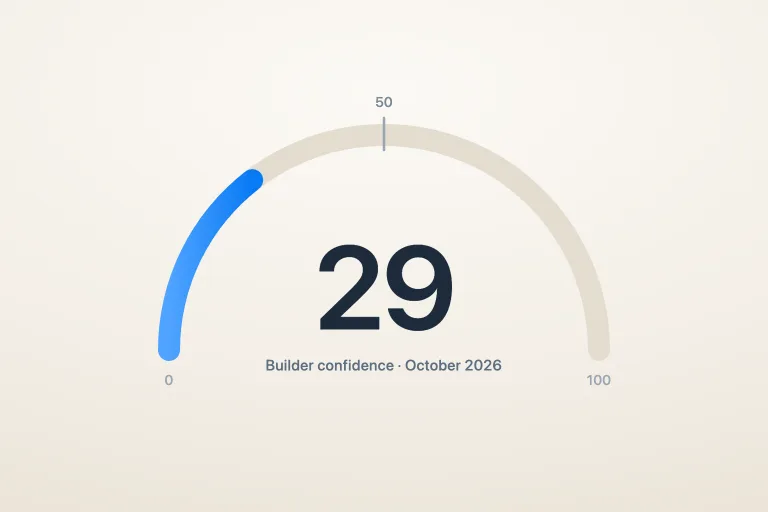
While the slight increase in sales is a positive sign, NAR noted that August and September were the two slowest months for home sales this year. Rising mortgage rates are making it harder for many buyers to qualify for loans. On the other hand, the higher inventory and longer time homes are staying on the market mean buyers have more negotiating power. Sellers may need to adjust their expectations by offering discounts or other incentives to attract buyers.
Sources & further reading
General information, not advice about your circumstances. Read the original sources for their full definitions and context. Statistics describe the stated period, not a personal outcome.